Get 5 Tips from the Forró Federation to start your own forró community

We noticed that our friends in the extended board of the federation were eager to start a new Forró community when they moved to new cities. So, we thought we’d share some advice with you. As evident from Forró history, migration is a common aspect of life for many Forrozeiros e Forrozeiras. Sometimes they’re lucky to find a Forró Group in their new home, which makes settling in easier. But other times, there’s no group yet, so someone has to take the lead. We’re pretty sure that once people hear about it and join in, they’ll love it as much as we do!
One of the distinctions between Forró and other partner dance class communities is the sense of belonging in a community, whether it’s a group of 5 or 100 people. However, spreading the word about forró is a necessary part of the process, and once they know about forró we are confident that people are eager to come together.
Of course, taking this on alone can be overwhelming. If you already have friends willing to join you, that’s fantastic. In case you don’t, maybe you need to meet that person because they are out there, and we are here to help you find out how.
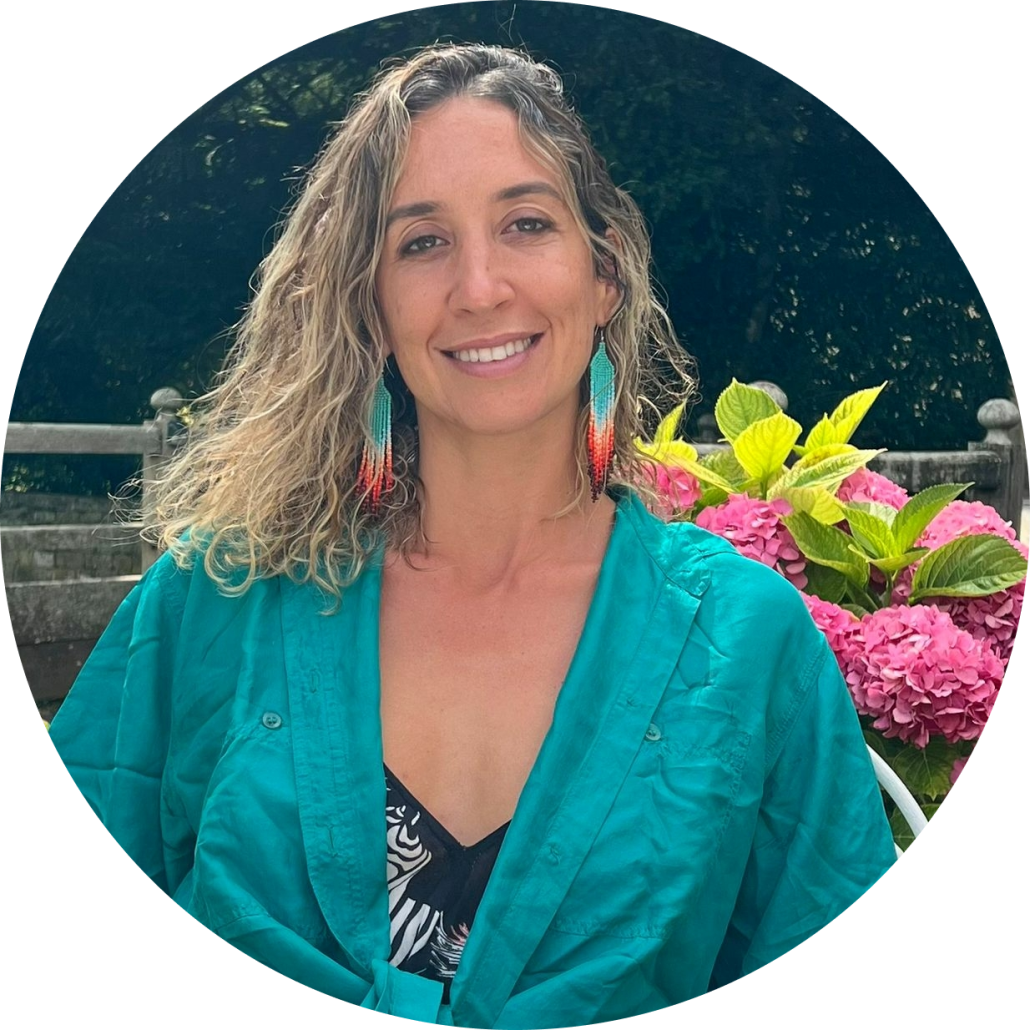
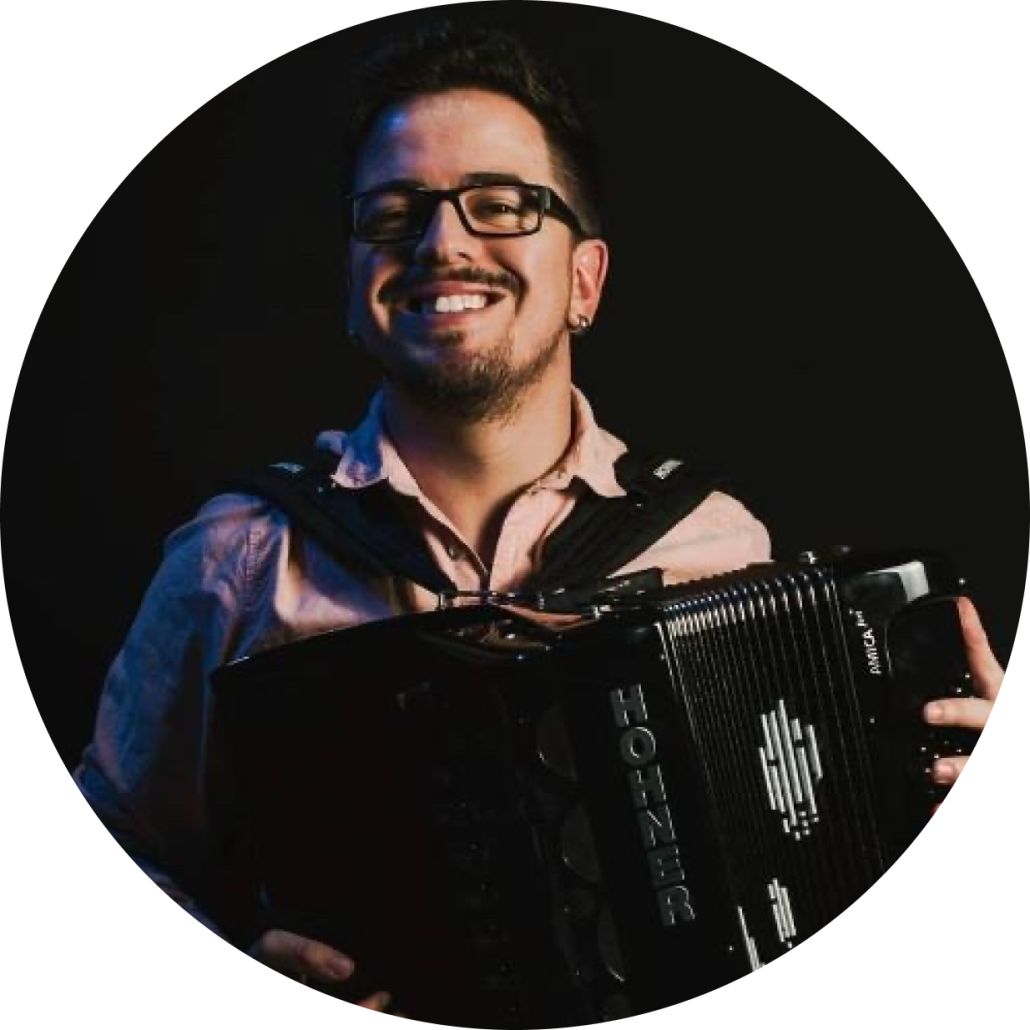
Katia Leonova, who contributed to the development of communities in Stockholm (Sweden) and Malaga (Spain), and Ianna Dantas, who played a role in the development of groups in Kiel and Göttingen (both in Germany), shared their own experiences, challenges, and goals with us.
One beautiful aspect of Forró compared to most other dance groups is what you probably have heard at least once: “Forró means For All.” Everyone is welcome to dance, the objective is to have fun, connect with people, and savor the moment as a whole. Growing a community is giving people the opportunity to experience this feeling.
5 Steps to Start a Forró Community Wherever You Are
- Understand Forró’s Attraction:
Recognize the unique aspects of Forró that appeal to people, such as its novelty, inclusivity, and sense of community.
- Establish Events and Classes:
Start by organizing social dances, crash courses, and collaborative events to introduce Forró to the community and foster engagement.
- Sustain Interest and Growth:
Continuously engage the community by encouraging feedback, organizing live shows, and involving others to sustain interest and attract new participants.
- Structure Programs and Events:
Develop structured programs and events to keep participants engaged and provide clear pathways for learning and involvement.
- Build Support Networks:
Identify potential leaders and collaborators within the community to share responsibilities, provide emotional support, and expand networking opportunities within the Forró world.
Ianna Dantas in Göttingen and Kiel (Germany)

Challenges and Initiatives in Starting a Forró Group
For those who love forró but can’t dance it often, things can get tricky. When you start a group, it’s not just about dancing anymore. You’re showing others what forró is all about. In Kiel, I saw that although many people didn’t know how to teach, they tried their best. This is where you learn about body awareness. I began teaching forró in Kiel and met a girl who danced it in Brazil. You’ll always find someone who loves forró as much as you do. We started in a bar, then danced in streets and parks when we lost the spot. It wasn’t easy, but we built a great community until COVID-19 hit. They still organize via WhatsApp. Sadly, I had to move to Göttingen.
In Göttingen, I tried restarting a group after COVID-19 but ended up reuniting new people. It was slow at first, but now we have classes with 10 to 30 people, and events are growing, especially with connections to the Hannover community, where there is a consolidated group.
As for pricing, I always kept in mind that many interested folks couldn’t afford much. So, I focused on donations, not just from participants, but as a whole goal. Thanks to many helping hands, it’s been successful.
Philosophy and Approach to Teaching Forró
In our classes, we focus on sharing the joy and feeling of forró rather than just teaching techniques. We believe that when you dance with sensation, it’s more enjoyable for you and your partner. Interestingly, we’ve found that non-Brazilians are often more interested, but ultimately, it’s about people who click with the vibe, regardless of where they’re from. While structured classes in clubs or dance schools might attract some people, forró has a unique vibe that’s different from Tango or Salsa, and we like to keep that organic feel alive.
Community Engagement and Social Impact
Last year, we held our first event, a Festa Junina with a Marathon, thanks to the amazing support of our community. People pitched in by donating food and helping with reception and decoration, even if they didn’t want to dance. We were blown away by the number of volunteers! We suggested a donation of 5 euros, and thanks to everyone’s generosity, we covered our expenses, sent a significant amount to an NGO in Brazil, and set aside some funds for future events.
We’re now planning another event in the coming months, where we’ll continue to focus on donations to support organizations in Brazil, one in the Amazon and another in Bahia. Our goal is simple: to come together, dance, and make our forró gatherings something special. It’s not just about enjoying Brazilian culture for ourselves as entertainment; it’s about using that culture to create a positive social impact back in Brazil.
Katia Leonova in Stockholm (Sweden) and Málaga (Spain)
Understanding Forró’s Appeal and Building Community
The first thing to keep in mind are the answers to two questions: why do people choose Forró instead of other dances and why do they stay involved? Initially, it offers something new and entertaining. So, it’s important to understand the needs of the potential audience you may have. Second, the reason people stay in Forró after experiencing other dance styles is the sense of inclusivity and general atmosphere. People usually start by checking out the party. If they like, they want to learn more and begin looking for classes and other opportunities to try Forró. From what I’ve seen, the sense of an inclusive community doesn’t exist in other dances, at least not in the same way we have it in Forró.
 In Stockholm, I noticed that people stayed in forró because of the social aspect. Many newcomers were exchange students or expats (some from Brazil), and they found a little group sharing the same interest in dancing, who they could socialize and spend time with even after the class was over. For example, we used to go for beers and snacks after class as quite a big group. Many tried to dance Salsa, but in Forró, they had a small and inclusive group of people to connect to. If you want to start a Forró Group, people will get enthusiastic and help because they are looking for shared experiences with others and a sense of belonging.
Establishing Forró Events and Classes
In Malaga, community engagement grew through regular events and a collaboration with a Brazilian musician who was already established there. This collaborative spirit and the presence of established musicians contributed to the growth of the Forró community. Building interest and fostering a learning environment through crash courses or coaching sessions during social dancing helped to expand the reach of Forró beyond traditional dance circles.
In my opinion, when you have six interested people, it is already possible to start a social dance, especially if you have Brazilians or people from different dance communities involved, who could spread the word. From there, you can start crash courses or coaching to explain the basic steps or adaptations for those who are used to other styles. You build interest to make people learn more and learn in a group.
We used to conduct a poll in the WhatsApp group to check if there were at least four people for a session. You should set your own rules and define the minimum amount for making a social dance happen. Ours, for example, was if there are fewer than four, nothing happens. If you’re organizing an event, you need to respect your own time. Otherwise, you could end up doing it for nothing and keep being frustrated that nobody’s showing up.
Building and Sustaining Forró Communities
A strategy we noticed is that people would go to live shows if there is one, and from there, people would engage in social dances and hangouts. We would encourage our participants to bring snacks and drinks or go for pizza after dancing. We received a lot of positive feedback about this. You’re also able to find more people to get engaged and help with organizing from the enthusiasts. Sometimes it’s expats who are actually seeking to meet people and also likely to invite others, which is really good because people are looking for connections.
If you have a free venue, I suggest starting social dancing with donations, even from 1 euro to start your funds. For bigger events, you can make deals with others involved, such as the band and the bar. Get in touch with other communities nearby. In Malaga, for example, we started to collaborate with communities in Granada and Sevilla to reach more people.
What I advise for courses is structuring your approach and how you will teach. You don’t have to be perfect, that’s not what people are expecting. However, having a structure in mind is key how to get people engaged in classes.
Kicking off and Group Support
I started organizing forró in Stockholm around 2014. For me, it happened very fast after I started to dance because the teacher was leaving for another city, and we were left with the question of whether we take it and continue organizing. We were a group of five people regularly, and we already had a place for social dances. Also, we collaborated with other dance communities where we did crash courses, little performances, and then just put on a playlist. At some point, we noticed we had more than 10 people interested, so we could start classes of different levels. We inherited a kind of festival setup from the previous organizer, so it was a quick start for the event focused on the Nordics.
In Malaga, I started about one and a half years ago. Forró Malaga’s account popped up on my Instagram, and I reached out and met Emilia, who founded the community and started the WhatsApp group Forró Malaga as a little community with six organizers (not everyone is equally involved). I do not live in Malaga anymore, but the community seems somewhat established, and I help remotely when I can. If you want to start, identify people who could take over in case you don’t plan to stay medium or long-term in this specific place.
Having at least two people is really important not only to split the tasks but also to share emotionally the wins and failures. With my experience, I have contacts in the European Forró Community, and I am able to help with this from afar, while another person can do the courses or organize events in person. The network with connections to the Forró World is really relevant because you can give people a better perspective of how big it is, but it is, of course, something that comes with time.
____________________________________________________________
We hope that after these inspiring experiences about spreading Forró to new hearts in Europe, you can consider getting involved somehow with our transnational community. Please share our content with your forró friends especially if they have just moved to a new city and have the desire to dance forró regularly again.
If you have any questions or want more details or advice from the Forró Federation, write to forrofederation@gmail.com and we will try to help.
Follow us on Instagram, check the updates on Facebook and sign up for our ForróLetters.


 Design credit – Claudia Ciniglio